Morocco
When Is the Best Time to Surf in Morocco?
Ask ten surfers when to go to Morocco and you may hear ten answers. The honest one is that it depends on what you want from the water. This guide explains how the seasons tend to work and how to choose the right time for your level.
4 min readUpdated
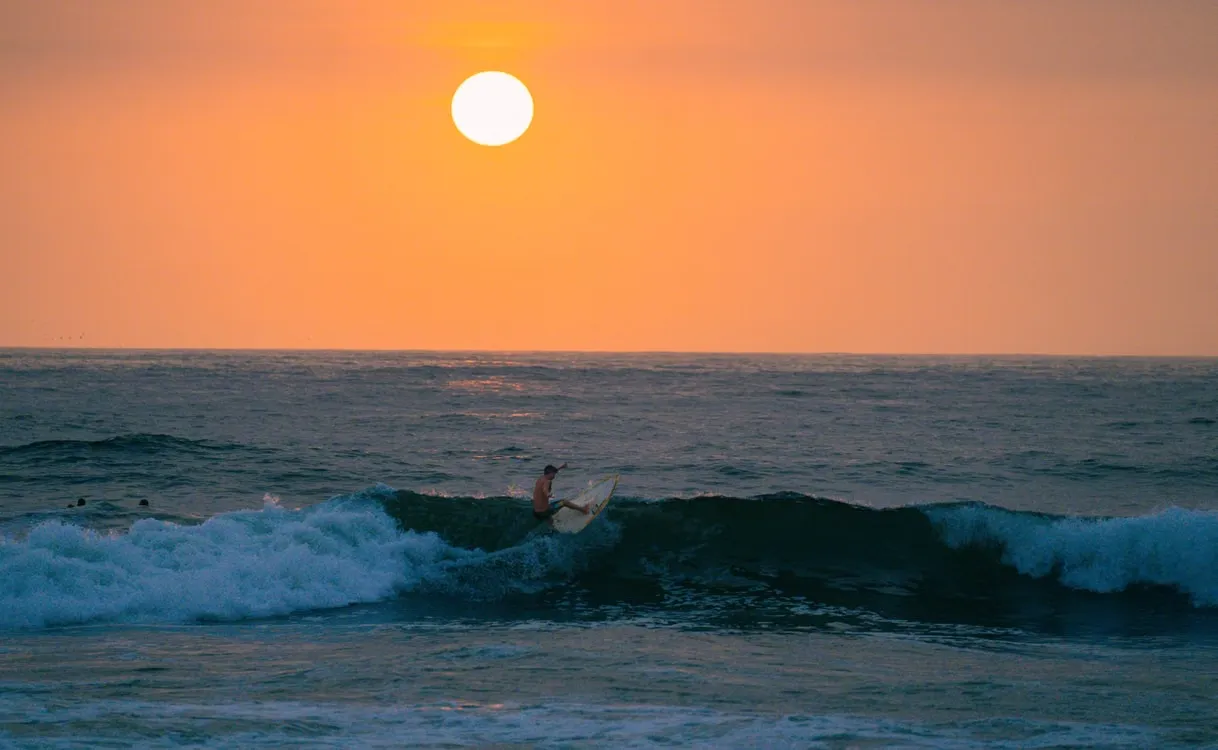
How the Atlantic shapes Morocco’s surf
Moroccan surf is made far out in the North Atlantic. Storms there create swells that travel across the ocean and arrive at the coast days later. The more powerful the storm and the closer it is, the larger the waves can be when they arrive.
Because those storms are strongest in the cooler months, the swell season is generally longer and more powerful from autumn through spring. In summer, swells are often smaller, and onshore wind can make the sea choppy, especially in the afternoon.
These are general patterns, not promises. Every year is different, and a quiet week in winter or a surprise swell in summer is always possible.
The year at a glance
- Autumn: swells begin to build and many surfers consider it a rewarding time to arrive, with the sea often still comfortable and crowds smaller than in peak winter.
- Winter: the most powerful swells of the year. Waves can be large and demanding, so it is often a time for experienced surfers or for beginners who stay close to guidance and sheltered beaches.
- Spring: a mix of remaining swell and lighter conditions. Many surfers like spring for its balance of waves and weather.
- Summer: usually smaller waves and stronger afternoon wind. It can suit beginners who want gentle conditions, as long as they surf at the calmest times of day.
The best time for beginners and for experienced surfers
Beginners usually learn best in smaller, cleaner waves where they can practise paddling and standing without being overwhelmed. That often points to periods when swells are moderate, and to beaches where the waves break gently over sand.
Experienced surfers often look for larger swells that make the region’s point and reef breaks work properly. Those conditions can be exciting, but they also require judgement, fitness and respect for local knowledge.
If you are in between, ask a local surf coach what is realistic for your level during the dates you have in mind.
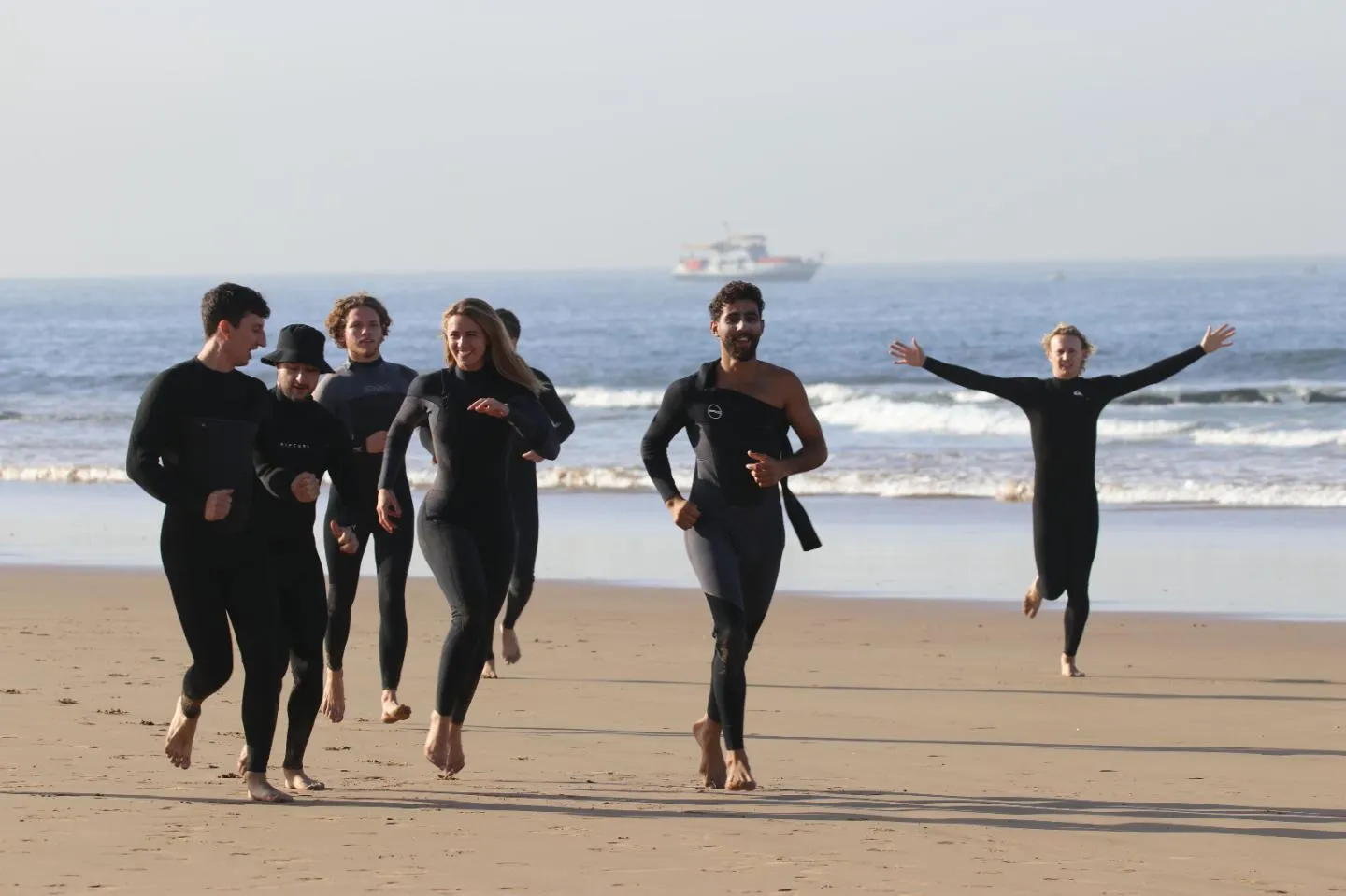
Water, air and wetsuits
The Atlantic is cooler than the sunshine suggests. Even in summer many surfers wear at least a thin wetsuit, and in winter a thicker wetsuit is common. Air temperatures can be pleasant, but wind and water can make you feel cold once you stop moving.
The right wetsuit depends on your own tolerance for cold. If you are unsure, bring a rash vest and a thin suit and rent something warmer if you need it.
Crowds and timing
Popular periods, such as school holidays and the heart of winter, can mean busier lineups and busier accommodation. Quieter shoulder periods may give you more space in the water and more flexibility on dates.
Within any day, early mornings are often calm, and many surfers plan their sessions around wind and tide. An early start can be the difference between glassy water and a choppy sea.
How to check conditions
Forecast sites show swell height, swell period, direction, wind and tide. Learn what these mean for the spot you plan to surf: a larger swell with a short period behaves very differently from a smaller swell with a long period.
Forecasts are a guide, not a guarantee, and they are no substitute for looking at the water. Local surf guides and instructors know how each beach reacts to different swells and can tell you what is a good idea on the day.
So when should you go?
If you are learning, aim for conditions that are small and gentle, and give yourself enough days to be patient. If you are experienced and want power, look to the cooler months and respect the size. If you are somewhere in the middle, choose a time that suits your schedule and let a local coach match the session to the day.
Sources and further reading
- Surf-Forecast: global surf forecasts (opens in a new tab)
- Visit Morocco: official tourism information (opens in a new tab)
General reference sites; conditions, rules and prices change, so check the latest information before you travel.
KEEP READING
Related stories.
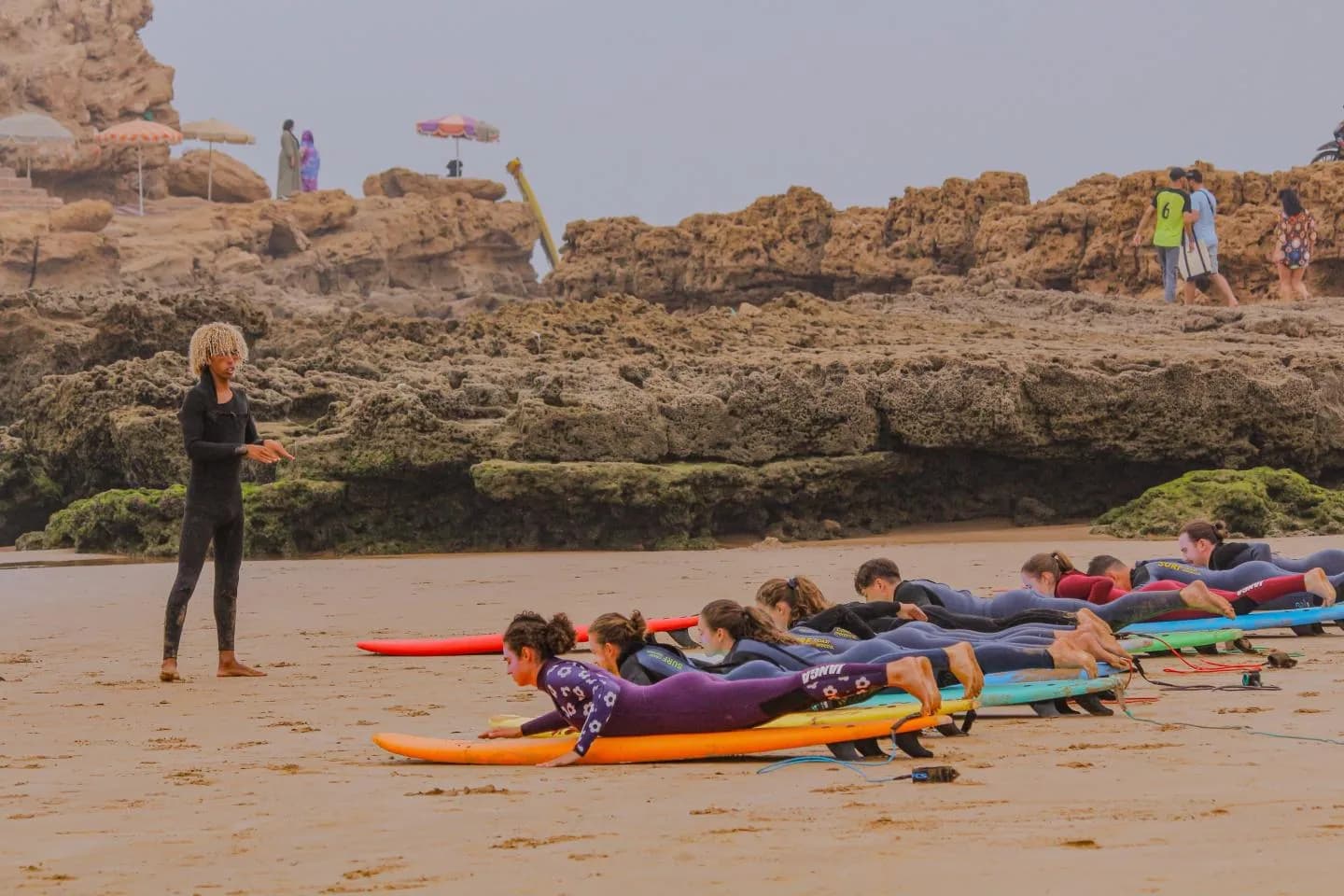
Surf
A Beginner’s Guide to Surfing in Morocco
Long Atlantic beaches, a welcoming surf scene and plenty of room to learn: what to expect, what to practise first and how to make your first surf trip count.
5 min read
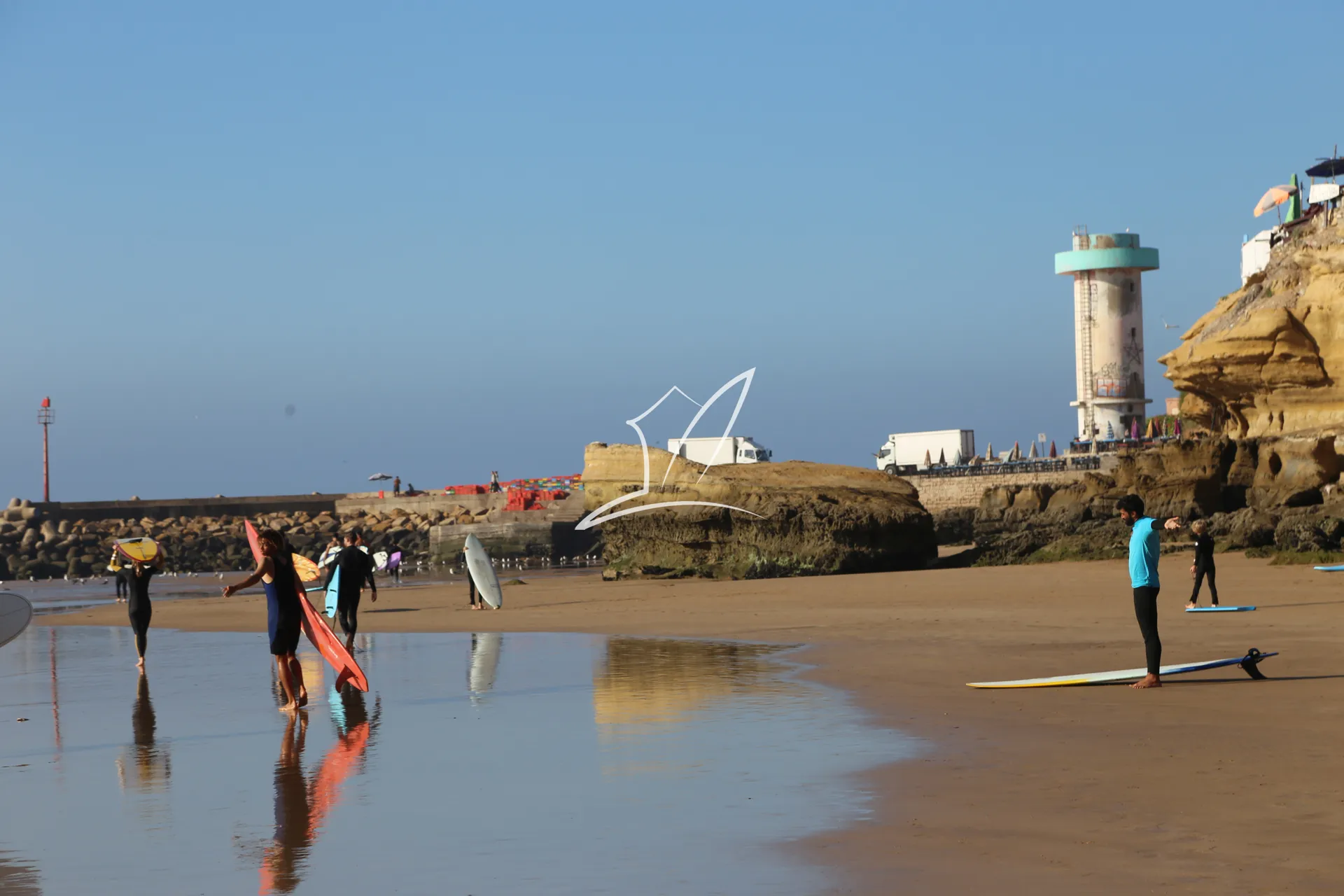
Local Guides
A Guide to Taghazout Bay Surf Spots
A stretch of Atlantic coast with points, reefs and beach breaks side by side. Here is how surfers tend to read it, and where different levels often start.
4 min read
Travel
What to Pack for a Surf Trip to Morocco
From sun protection to modest clothing for town days, here is a practical checklist for a surf trip on Morocco’s Atlantic coast.
3 min read
READY WHEN YOU ARE
Ready to spend more timein the water?
Explore the surf packages or take a look around the riad.